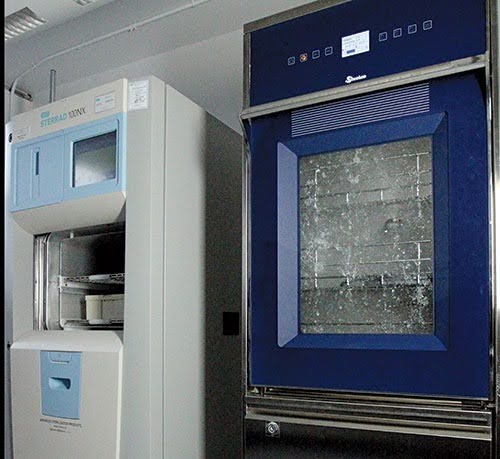
Medical Device Sterilization: Methods, Standards and Validation
Medical device sterilization is a validated process used to eliminate viable microorganisms, including spores, from a medical device or sterile barrier system. For many sterile products, the sterilization process is validated to a Sterility Assurance Level (SAL) of 10⁻⁶, meaning the probability of a nonsterile unit is no more than one in 1 million.
For manufacturers, sterilization can influence material selection, packaging, design transfer, validation and long-term performance. This guide explains common methods, how manufacturers choose one and where sterilization requirements intersect with medical interconnect design.
What Is Medical Device Sterilization?
Sterilization is different from cleaning and disinfection. Whereas cleaning removes visible soil or contaminants and disinfection reduces many microorganisms, sterilization is intended to eliminate viable microorganisms, including spores, from a device or sterile barrier system.
The process may occur as terminal sterilization, meaning the product is sterilized after manufacturing and packaging. Reusable medical equipment or medical instruments may also require validated instructions for cleaning, disinfection and sterilization after use in a healthcare facility.
Processing requirements depend on how the device contacts the body. The Spaulding Classification groups patient-care items as critical, semi-critical or non-critical based on infection risk. A surgical instrument, biopsy forceps, endoscope or ultrasound probe may each carry different expectations depending on use.
For a device manufacturer, sterilization should be considered early enough that the materials, packaging and quality system can support the intended sterilization cycle.
The Five Main Medical Device Sterilization Methods
The FDA identifies several established approaches for medical device sterilization, including moist heat, dry heat, radiation, ethylene oxide gas and vaporized hydrogen peroxide.
No single sterilization method is right for every device. The right choice depends on materials, geometry, packaging, sterile barrier requirements, temperature sensitivity, bioburden, residuals and the regulatory pathway.
1. Steam Sterilization
Steam sterilization, also called moist heat or autoclave sterilization, uses heat and moisture to sterilize compatible products. It may be appropriate for heat-stable instruments or metal components, but it is less suitable for many polymers, electronics, adhesives or heat-sensitive assemblies. The design question is whether the product can tolerate the process without unacceptable material, electrical or mechanical changes.
2. Ethylene Oxide Sterilization
Ethylene oxide sterilization is a low-temperature method often used for heat- or moisture-sensitive products. EtO sterilization, also called EO sterilization, can be useful for packaged products, complex geometries or areas that are difficult for other methods to reach.
Tradeoffs include aeration time, residual testing and safe residual limits. Ethylene oxide also faces environmental and occupational health scrutiny, increasing interest in alternatives and new sterilization methods.
3. Radiation Sterilization
Radiation sterilization can include gamma sterilization, gamma irradiation sterilization, e-beam sterilization and X-ray sterilization. It is often used for single-use products when materials and packaging are compatible with the selected dose.
Material response is the main design concern. Radiation can affect some polymers, coatings or adhesives, so compatibility testing matters. A device that performs well before exposure may still need evaluation afterward.
4. Vaporized Hydrogen Peroxide Sterilization
Vaporized hydrogen peroxide, or VHP sterilization, is a low-temperature method for compatible products and materials. Hydrogen peroxide sterilization may also be discussed alongside hydrogen peroxide gas plasma; this article uses VHP as the primary term.
VHP may be useful for some heat-sensitive products, but materials, absorbent components, packaging and geometry can affect whether this sterilization technique is appropriate.
5. Dry Heat Sterilization
Dry heat sterilization uses high temperatures without moisture. It may be useful for heat-stable materials, glassware, powders or certain metal components. Because dry heat involves high temperatures and longer exposure times, it is not the right fit for many polymers, electronics, adhesives or assembled products.
How Manufacturers Choose a Sterilization Method
Medical device manufacturers should consider sterilization before the design is locked. The selected method can affect component selection, material choice, packaging, validation and manufacturing readiness.
Key selection criteria include:
- Materials, including polymers, adhesives, coatings and overmolds.
- Geometry, including lumens, channels and hard-to-reach areas.
- Electrical or electronic components.
- Packaging and sterile barrier requirements.
- Bioburden and expected contamination profile.
- Residuals, sterility and patient safety.
- Intended use and patient-contact category.
- Regulatory pathway and market expectations.
Some examples are straightforward. A heat-stable metal tool may be suited to steam. A single-use plastic device may be suited to radiation if the material is compatible. A complex product with narrow internal channels may require ethylene oxide. A heat-sensitive compatible device may be evaluated for VHP.
For Amphenol Alden customers, these requirements can affect the interconnect portion of the design. Cable assemblies, connectors, seals, overmolds, strain relief, terminations and cable construction may all need to be evaluated against the intended sterilization process or reprocessing expectations.
What Does Sterilization Validation Involve?
Sterilization validation is the documented process used to show that a selected method can achieve the required sterility assurance.
A validation program may include:
- Bioburden testing.
- Sterilization cycle development.
- Process development and qualification.
- Validation of the required SAL.
- Packaging and sterile barrier validation.
- Residual testing, especially for EtO.
- Routine monitoring.
- Requalification after changes to materials, packaging, process, suppliers or sterilization sites.
Validation is not a one-time activity. It must remain connected to design, manufacturing, supplier and process changes.
Amphenol Alden is not a sterilization service provider. Its role is to help medical device teams design and manufacture interconnect solutions that can be evaluated against the sterilization and reprocessing requirements of the finished product. For cable assemblies and connectors, those considerations may affect material selection, overmolding, bonding, termination methods, electrical performance, mechanical durability and documentation.
Sterilization Standards and Regulatory Considerations
Standards and regulatory expectations depend on the product, method, intended market and submission pathway.
Manufacturers can use the FDA’s recognized consensus standards database to confirm which sterilization standards are recognized for a given method or device submission. Common method-specific standards include ISO 17665 for moist heat, ISO 11135 for ethylene oxide, ISO 11137 for radiation and ISO 22441 for vaporized hydrogen peroxide. Sterility information may appear in 510(k) and PMA submissions depending on device type and pathway.
EtO remains important, but it faces health, environmental and emissions scrutiny. VHP has gained regulatory attention as an established medical sterilization method. Other processes may be relevant in specific clinical or reprocessing contexts, but this manufacturer-side guide centers on steam, EtO, radiation, VHP and dry heat.
Design Medical Interconnects With Sterilization in Mind
Sterilization requirements can shape the physical design of medical interconnects. Materials, overmolds, seals, cable jackets, strain relief and connector interfaces may respond differently to steam, radiation, ethylene oxide or VHP exposure.
Amphenol Alden can work with customers to evaluate interconnect requirements early, including:
- Material compatibility.
- Overmold and strain-relief design.
- Cable flexibility and routing.
- Connector mating performance.
- Seal and interface durability.
- Electrical continuity after exposure.
- Manufacturing repeatability.
- Documentation needed for validation planning.
Sterilization connects to material selection, manufacturing readiness, validation and quality-system expectations. Considering those requirements early helps medical device teams develop assemblies that can perform as intended.
Frequently Asked Questions About Medical Device Sterilization
What Is Medical Device Sterilization?
Medical device sterilization is a validated process used to eliminate viable microorganisms, including spores, from a medical device or sterile barrier system. The goal is to support sterility for devices that must be supplied or used sterile.
What Are the Main Medical Device Sterilization Methods?
The main medical device sterilization methods are steam sterilization, ethylene oxide sterilization, radiation sterilization, vaporized hydrogen peroxide sterilization and dry heat sterilization.
What Is SAL 10⁻⁶?
SAL 10⁻⁶ means a sterilization process is validated so the probability of a nonsterile unit is no more than one in 1 million.
How Do Manufacturers Choose a Sterilization Method?
Manufacturers evaluate device materials, geometry, packaging, bioburden, residuals, intended use, sterile barrier requirements and regulatory pathway. The right sterilization method must be validated for the specific device and process.
What Is EtO Sterilization Used For?
EtO sterilization is often used for heat- or moisture-sensitive medical devices, packaged devices, complex geometries and devices with hard-to-reach areas.
What Is Radiation Sterilization?
Radiation sterilization uses gamma, e-beam or X-ray exposure to sterilize compatible medical devices. It is often used for single-use disposable devices when materials and packaging can tolerate the selected dose.
What Is VHP Sterilization?
VHP sterilization is a low-temperature sterilization method that uses vaporized hydrogen peroxide. It may be appropriate for compatible heat-sensitive devices and materials.
Work With Medical Interconnect Requirements Early
Medical device sterilization affects more than the final sterilization cycle. It can shape materials, packaging, validation, documentation and manufacturing decisions throughout development.
For medical interconnects, those decisions may affect cable assemblies, connectors, overmolds, seals, strain relief and long-term assembly performance. Amphenol Alden works with medical device teams to evaluate these requirements early so interconnect design, manufacturing and validation planning can move forward together.
Contact Amphenol Alden to discuss your medical interconnect requirements.