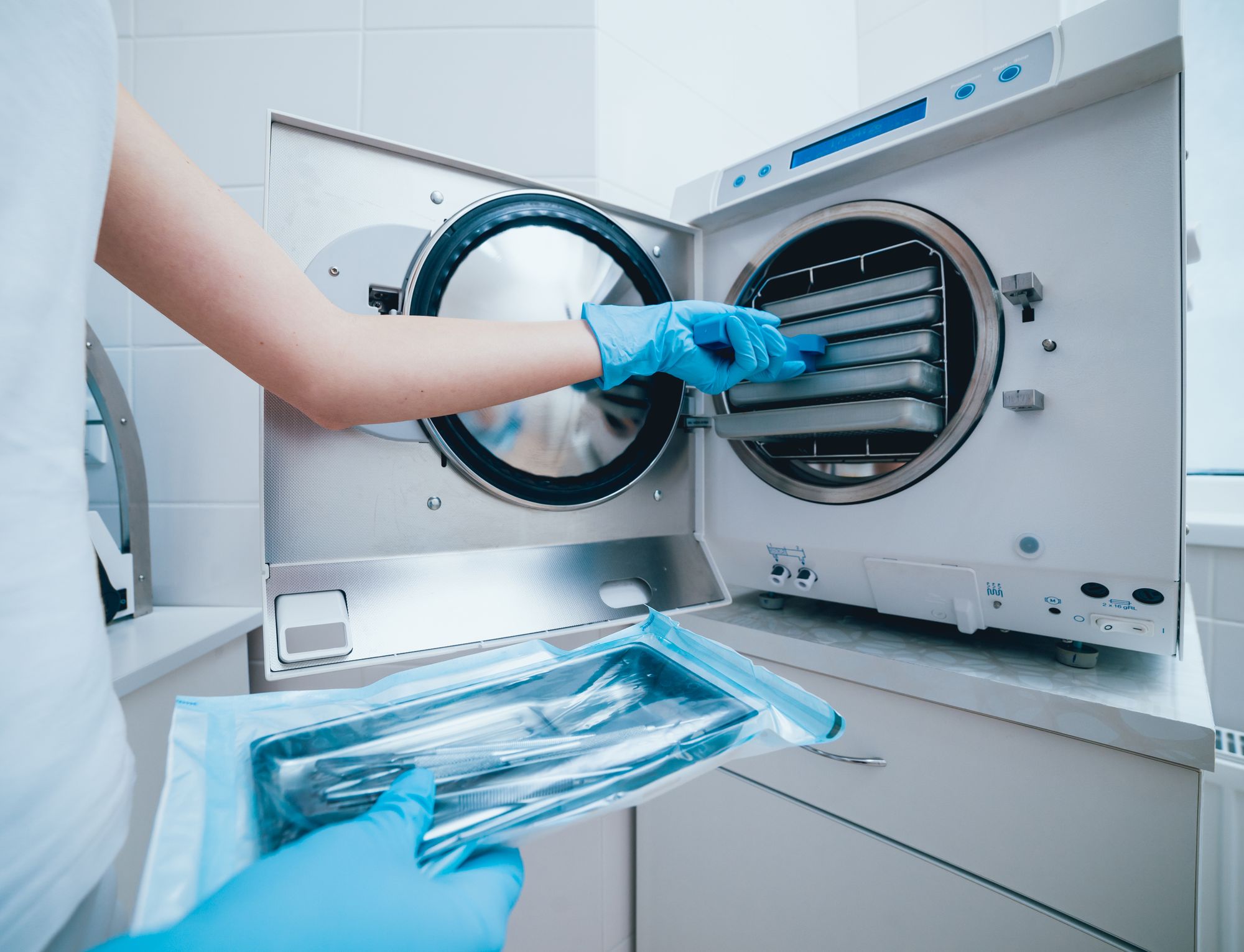
Every medical device depends on one vital process: sterilization. Without it, these tools risk introducing harmful microorganisms into the very environments they are meant to protect, jeopardizing patient safety and outcomes.
Sterilization isn’t just about cleanliness — it’s about safeguarding lives. For high-precision medical devices, particularly those used in cardiac and therapeutic applications, the challenges are even greater. Advanced materials, intricate designs and sensitive components require sterilization methods that not only ensure sterility but also maintain the functionality and longevity of the devices.
In this guide, we’ll dive into the core principles and methods of medical device sterilization, exploring key methods and considerations to ensure devices remain safe, effective and compliant with regulatory standards. By understanding these principles, healthcare providers and device manufacturers can meet the demands of modern healthcare while prioritizing patient safety.
Medical Device Sterilization and Its Importance
Medical device sterilization is the process of eliminating microorganisms to ensure that devices are safe for use in medical settings. Whether it’s a reusable surgical instrument or a single-use implant, sterilization is critical to preventing infections and safeguarding public health.
In high-stakes environments like surgery, cardiac therapy and emergency care, the margin for error is razor thin. Devices must perform flawlessly under pressure, and proper sterilization ensures they are free from harmful contaminants that could compromise their use. For patients, this means a reduced risk of post-operative infections. For healthcare facilities, it upholds trust and regulatory compliance.
Sterilization also plays a key role in meeting stringent international and federal standards. Regulatory bodies like the FDA require medical device manufacturers to follow rigorous sterilization processes and standards. This includes ensuring materials are compatible with sterilization techniques and addressing all potential contamination risks.
One of the most critical components of this process is sterilization validation. By providing documented evidence that sterilization methods are effective and consistent, validation reinforces patient safety and supports compliance. For medical device manufacturers, this step is non-negotiable — it’s the bridge between innovation and safe application in healthcare.
Key Sterilization Methods in the Medical Device Industry
Each sterilization method offers unique advantages, making it suitable for specific materials and applications. Below, we explore key methods widely used in the medical device industry, including their mechanisms, limitations and benefits:
1. Steam Sterilization
Steam sterilization, also known as autoclaving, is one of the most commonly used methods for medical devices. This technique uses high-temperature steam to eliminate microorganisms effectively.
Mechanism: Saturated steam is applied at high pressure, reaching temperatures between 121°C and 134°C. The heat denatures proteins in microorganisms, rendering them nonviable.
Applications: Ideal for heat-resistant materials such as surgical instruments, reusable devices and metal tools.
Benefits:
Highly effective at destroying microorganisms, including spores.
Cost-effective and efficient for large-scale use.
Compatible with a wide range of durable materials.
Limitations:
Not suitable for heat-sensitive materials, plastics or electronic components.
Risk of corrosion if devices are not properly dried.
Despite these drawbacks, steam sterilization remains the gold standard in hospitals and healthcare facilities due to its reliability and ease of implementation.
2. Flash Sterilization
Flash sterilization is a rapid method designed for urgent or high-demand situations where quick turnaround is critical.
Mechanism: Devices are exposed to high-temperature steam for shorter durations, often without full packaging.
Applications: Used in operating rooms to sterilize critical instruments quickly during emergencies.
Benefits:
Faster cycle times compared to standard steam sterilization.
Effective for immediate needs, ensuring instrument availability.
Limitations:
Not recommended for heat-sensitive or complex devices.
Higher risk of contamination due to limited packaging during the process.
Only use flash sterilization for devices that can withstand the rapid process and meet sterility requirements.
3. Low-Temperature Sterilization Technologies
Low-temperature sterilization methods use alternative processes, such as chemical agents or gas, to sterilize devices that cannot tolerate the heat or moisture of steam sterilization. These methods require careful control to ensure sterility without compromising device integrity.
Here are a few different types of low-temperature sterilization processes:
3.1. Hydrogen Peroxide Gas Plasma:
Mechanism: Utilizes vaporized hydrogen peroxide and plasma to inactivate microorganisms.
Applications: Ideal for heat- and moisture-sensitive devices, such as scopes and electronics.
Benefits:
Rapid cycle times and minimal residue.
Environmentally friendly process.
Limitations:
Compatibility challenges with some materials, including cellulose-based products, due to the potential reaction with hydrogen peroxide and resulting degradation..
3.2. Peracetic Acid Sterilization:
Mechanism: Uses a chemical solution of peracetic acid to sterilize items.
Applications: Effective for certain plastics and metals.
Benefits:
High efficacy against a broad range of microorganisms.
Suitable for complex configurations.
Limitations:
Limited material compatibility and potential for chemical residue.
3.3. Ethylene Oxide (EtO) Gas:
Mechanism: Involves exposing devices to EtO gas in a controlled chamber.
Applications: Common for complex device assemblies, heat-sensitive materials and long lumens.
Benefits:
Excellent penetration of hard-to-reach areas.
Compatible with most materials.
Limitations:
Long cycle times and potential chemical residues.
Regulatory scrutiny due to environmental and health concerns.
Low-temperature sterilization technologies are indispensable in the modern medical device industry, supporting the safety and performance of increasingly sophisticated devices.
4. Radiation Sterilization
Radiation sterilization uses ionizing radiation to destroy microorganisms, making it particularly effective for single-use medical products.
Mechanism: Common forms include gamma rays, electron beams and X-rays, which disrupt the DNA of microorganisms.
Applications: Used for bulk sterilization of disposable items, such as syringes, catheters and implants.
Benefits:
Highly effective for large-scale sterilization.
Suitable for pre-packaged and single-use products.
Limitations:
Expensive equipment and infrastructure.
Potential material degradation in certain plastics.
5. Other Sterilization Methods
In addition to the primary methods above, several specialized techniques cater to niche medical device requirements, including:
5.1. Dry Heat Sterilization:
Effective for heat-resistant items like glassware and powders.
High temperatures (160°C–170°C) for extended periods ensure sterility.
Limited by its incompatibility with most medical plastics and electronic components.
5.2. Formaldehyde Sterilization:
Utilized in closed systems and specific equipment.
Effective for certain applications but less commonly employed due to its toxicity.
5.3. Ozone Sterilization:
Uses ozone gas to oxidize and eliminate microorganisms.
Suitable for certain plastics but has material compatibility challenges.
Each method offers distinct advantages and limitations, making it essential to choose the appropriate technique based on the device’s design, material and intended use.
Factors To Consider in Choosing a Sterilization Method
Here are a few important factors to determine which sterilization method to choose for each device:
1. Device Compatibility
Start by looking at the type of materials used in the device. Sensitive materials, such as silicone, plastics and embedded electronics, may degrade or lose functionality when exposed to high-temperature steam or harsh chemical agents. For example, hydrogen peroxide gas plasma and EtO gas are effective for sterilizing heat-sensitive plastics but may be incompatible with cellulose-based materials. Ensuring compatibility preserves the device's structural integrity and operational efficiency, critical for advanced medical applications.
2. Complexity and Structure
The design of a medical device, particularly its geometry and internal components, also impacts sterilization efficacy. Devices with complex structures, such as long lumens or intricate assemblies, require methods with deep penetration capabilities. EtO gas is particularly effective in sterilizing challenging areas due to its ability to permeate hard-to-reach spaces.
Advanced designs, including flexible endoscopes and sensitive electronics, benefit from low-temperature sterilization methods to avoid potential damage. Pre-assembled devices present unique challenges, as sterilization must not compromise seals, adhesives or structural integrity during the process.
3. Patient Safety and Compliance Standards
Sterilization is paramount for patient safety and regulatory compliance. Processes must meet stringent FDA, CDC, EPA (in the case of EtO) and international standards to ensure the devices are free from harmful microorganisms. Validation and verification procedures provide documented evidence that sterilization methods are effective and consistent, minimizing contamination risks. Compliance with infection control protocols in healthcare facilities further reinforces safety and trust. A sterilization method that aligns with these rigorous standards reduces post-operative complications and maintains patient and provider confidence.
4. Operational Costs
Cost-effectiveness, scalability and turnaround time are critical operational factors in selecting a sterilization method. High-throughput methods, such as radiation sterilization, are well-suited for large-scale production of single-use items but may be cost-prohibitive for smaller batches. Conversely, rapid methods like flash sterilization support operational efficiency in emergency settings but are not viable for all devices.
Balancing these factors ensures that the sterilization process meets production demands while maintaining sterility and compliance. Manufacturers must weigh cost against the benefits of thorough and effective sterilization to make informed decisions.
5. Environmental Health Impact
The environmental and health impacts of sterilization methods are increasingly scrutinized. For instance, the EPA has recently passed regulations to reduce emissions from EtO sterilization facilities due to the gas’s environmental footprint and health concerns. Alternatives, such as hydrogen peroxide gas plasma, offer greener solutions that align with sustainability initiatives.
Workplace safety is another critical consideration, as manufacturers and healthcare facilities must minimize staff exposure to hazardous chemicals during sterilization. By adopting environmentally friendly sterilization processes, the medical device industry can align with public health goals and support broader sustainability efforts.
Advancing Medical Device Sterilization in Pulsed Field Ablation and Beyond
The evolution of medical device sterilization is particularly evident in cutting-edge therapies like Pulsed Field Ablation (PFA). These devices pose unique challenges due to their high-voltage components and advanced materials, requiring precise sterilization methods that preserve functionality while ensuring sterility. Sterilization methods like hydrogen peroxide gas plasma and EtO gas are often preferred for their compatibility with sensitive electronic components and complex device designs.
As the healthcare industry continues to advance, so must sterilization technologies to accommodate emerging medical devices without compromising their safety or performance. At Amphenol Alden, we specialize in designing advanced interconnect solutions that address the unique challenges of sterilizing cutting-edge medical devices.
With decades of experience and a commitment to excellence, we provide the expertise and technology needed to meet the demands of modern healthcare.
For an in-depth look at sterilization best practices and design considerations for Pulsed Field Ablation devices, download our comprehensive white paper.